Doylestown Natural Medicine Center - Healthcare Is About So Much More Than Managing Symptoms
What if your relationship with your doctor empowered you to take control of your health?
Specialties
Naturopathic Medicine
Consultations
Healthcare is about so much more than managing symptoms.
Find out more about our approach.
Young Living Essential Oils
Young Living’s Essential oils and oil infused products empower you to claim your best life with the marriage of science and traditional botanical wisdom.
Apothecary
Good nutrition is foundational for healing. Exclusive access to my favorite pharmaceutical-grade supplement lines through Fullscript.
Meet Dr. Alison Finger
I’m Dr. Alison Finger, ND, a naturopathic doctor, and I founded the Doylestown Natural Medicine Center because I believe that healthcare is about so much more than managing symptoms.
It’s about seeing you as a whole person and creating an individualized plan for your health that meets you where you are and helps you get where you want to be.
It’s about combining ancient, natural modalities with modern technology and science to support you in bringing balance and vitality to your life.
Most of all, it’s about relationships. My team and I are here to guide and support you in reclaiming your health. That makes you part of our community and connects you with others who are learning how to transform their lives through natural medicine.
As a licensed naturopathic doctor, I help people break the cycle of symptom management to access true well-being.
Fatigue. Weight issues. Mood swings. Struggles with blood pressure or blood sugar. Digestive problems. All of these things can sap our ability to enjoy our lives and be as active and engaged as we want to be.
They are also all symptoms of imbalances in the body. When all we do is manage the symptoms, the underlying cause goes unaddressed, and we never really get to that space of health and vitality we want.
That’s where naturopathic medicine steps in. As a naturopathic doctor, I’m trained as a primary care doctor who specializes in natural medicine. That means I see you as a whole person, not just a condition or a collection of symptoms. I’ll work with you to develop an individualized plan that gets at the root cause of the imbalance so your body doesn’t just mask the symptoms any more—it stops producing them, because you’ve been restored to your proper balance. I use diet, supplements, lifestyle changes, and other natural modalities to address your illness in the most gentle way to allow you to find balance in both body and mind.
So, what would you do if you had more control over your health than you thought you did? How would it feel to break that cycle of symptom flare ups and enjoy a freer, healthier life? Let’s find out together.
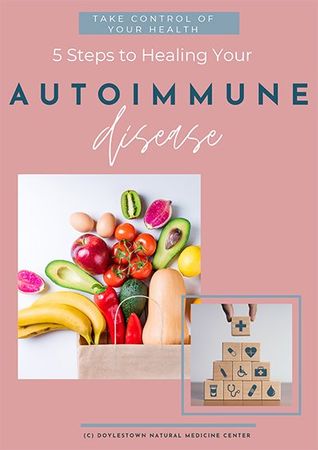
5 Steps To Healing Autoimmune Disease
Sign up for our Mailing List and Get the Free Guide
Lead Magnet Download
-
![]() Ooops! This account is no longer active. I’ve created a NEW account loaded with information, tips, advice, and a lot of other interesting topics @dralisonfinger Please hurry over to that account and give me a follow so you don’t miss a thing! When you get there, don’t forget to leave a comment or a DM letting me know that you found me. Tap @dralisonfinger to visit my new account.Button
Ooops! This account is no longer active. I’ve created a NEW account loaded with information, tips, advice, and a lot of other interesting topics @dralisonfinger Please hurry over to that account and give me a follow so you don’t miss a thing! When you get there, don’t forget to leave a comment or a DM letting me know that you found me. Tap @dralisonfinger to visit my new account.Button -
![]() BIG NEWS AT DNMC!!! . . . We are moving next door to 140 E. State Street in Doylestown, Pa. We will be closed on Thursday, September 7 and re-open next door to see clients on Tuesday, September 12! . . We can't wait to welcome you to our new space :)Button
BIG NEWS AT DNMC!!! . . . We are moving next door to 140 E. State Street in Doylestown, Pa. We will be closed on Thursday, September 7 and re-open next door to see clients on Tuesday, September 12! . . We can't wait to welcome you to our new space :)Button -
![]() Repost from @samrosebarrett... Homemade bug spray: 10 drops of each • 1 oz. Witch hazel • fill rest of bottle with distilled water • spray before outdoor adventures! Let me know if you need help getting the oils. . . . #geranium #peppermint #citronella #purification #teatree #naturalbugspray #younglivingButton
Repost from @samrosebarrett... Homemade bug spray: 10 drops of each • 1 oz. Witch hazel • fill rest of bottle with distilled water • spray before outdoor adventures! Let me know if you need help getting the oils. . . . #geranium #peppermint #citronella #purification #teatree #naturalbugspray #younglivingButton -
![]() How to make a Tuesday awesome... . . G E T O U T S I D E! . . [[ meditate ]] . . --make a fresh fruit smoothie-- . . do something for >>YOU<< . . [[ practice non-judgement ]] . . pay attention to your ...:::b r e a t h:::...Button
How to make a Tuesday awesome... . . G E T O U T S I D E! . . [[ meditate ]] . . --make a fresh fruit smoothie-- . . do something for >>YOU<< . . [[ practice non-judgement ]] . . pay attention to your ...:::b r e a t h:::...Button -
![]() summer essentials at DNMC's medicinary🏖️🏕️🏞️ . . . Badger sunscreens (a variety of unscented, sport, and baby) . . . Peppermint EO: to cool down or to use when we eat something on vacation that maybe didn't settle so well . . Lavender EO: for when we spend too much time in the sun or get visited by some pesky bug friends . . Purification EO: great for the outdoor family or stinky car/gym bag/pet odorButton
summer essentials at DNMC's medicinary🏖️🏕️🏞️ . . . Badger sunscreens (a variety of unscented, sport, and baby) . . . Peppermint EO: to cool down or to use when we eat something on vacation that maybe didn't settle so well . . Lavender EO: for when we spend too much time in the sun or get visited by some pesky bug friends . . Purification EO: great for the outdoor family or stinky car/gym bag/pet odorButton -
![]() 5 natural ways to cool down on a hot day... . . 1. Drink some room temperature water (your body has to create more heat to warm up ice cold water in order to digest it). This added heat will increase your body temperature. . . 2. Apply some peppermint essential oil mixed with a carrier onto the back of the neck for a nice cooling sensation that lasts (+feels like an ice cube) . . 3. Cooling breath- on an inhale open the lips and breathe through the teeth and then close the lips on the exhale--slowly and repeat until feeling a nice cooling sensation in the mouth. . . 4. Eat cooling foods like watermelon, pineapple, cucumber, or an apple. . . 5. Notice when your heat rises and come back to your breath relaxing the tongue.Button
5 natural ways to cool down on a hot day... . . 1. Drink some room temperature water (your body has to create more heat to warm up ice cold water in order to digest it). This added heat will increase your body temperature. . . 2. Apply some peppermint essential oil mixed with a carrier onto the back of the neck for a nice cooling sensation that lasts (+feels like an ice cube) . . 3. Cooling breath- on an inhale open the lips and breathe through the teeth and then close the lips on the exhale--slowly and repeat until feeling a nice cooling sensation in the mouth. . . 4. Eat cooling foods like watermelon, pineapple, cucumber, or an apple. . . 5. Notice when your heat rises and come back to your breath relaxing the tongue.Button -
![]() CYPRESS . . transition - transformation - renewal . most of the essential oil comes from the fresh dark green leaves + twigs on this evergreen conifer . . helps to circulate Qi-energy + harmonizes the flow of blood making it a great oil for menstrual support . . psychological transition + real-life change helping us to cope + accept even difficult change of both inner + outer nature . . reinforces the ability to accept + relinquish . . dissolving remorse + instilling optimism helping us to flow with the flux of life . . supporting inner renewal + unearthing fears that block change . . allows suppressed, obstructive feelings to emerge consciousness, liberating the energy that we spend in keeping them locked within. Ideas for using CYPRESS: -useful + effective deodorant -moon cycle support -beneficial for clearing stuck energy in the chest -skin support -so many more uses Sources: Aromatherapy for Healing the Spirit by Gabriel Mojay Want to learn more about oils? Send us an email at info@doylestownnaturalmedicine.com or check out our monthly workshops on facebook!Button
CYPRESS . . transition - transformation - renewal . most of the essential oil comes from the fresh dark green leaves + twigs on this evergreen conifer . . helps to circulate Qi-energy + harmonizes the flow of blood making it a great oil for menstrual support . . psychological transition + real-life change helping us to cope + accept even difficult change of both inner + outer nature . . reinforces the ability to accept + relinquish . . dissolving remorse + instilling optimism helping us to flow with the flux of life . . supporting inner renewal + unearthing fears that block change . . allows suppressed, obstructive feelings to emerge consciousness, liberating the energy that we spend in keeping them locked within. Ideas for using CYPRESS: -useful + effective deodorant -moon cycle support -beneficial for clearing stuck energy in the chest -skin support -so many more uses Sources: Aromatherapy for Healing the Spirit by Gabriel Mojay Want to learn more about oils? Send us an email at info@doylestownnaturalmedicine.com or check out our monthly workshops on facebook!Button -
![]() What is Naturopathic Medicine? . . . Naturopathic Medicine employs therapies that support and promote the body's natural healing process, such as nutrition, exercise, herbal medicine, homeopathy, and stress reduction. Naturopathic medicine addresses the underlying cause of disease instead of the symptoms of the disease. Individualized natural therapies integrate the healing power of the body, mind, and spirit. . . . --Embrace the power of nature-- . . . --Treat the whole person-- . . . --A state of optimum health + balance will be discovered-- . . . Contact our office at 215.348.8470 or send an email to info@doylestownnaturalmedicine.com to set up your new patient consultation with Dr. Alison Finger!Button
What is Naturopathic Medicine? . . . Naturopathic Medicine employs therapies that support and promote the body's natural healing process, such as nutrition, exercise, herbal medicine, homeopathy, and stress reduction. Naturopathic medicine addresses the underlying cause of disease instead of the symptoms of the disease. Individualized natural therapies integrate the healing power of the body, mind, and spirit. . . . --Embrace the power of nature-- . . . --Treat the whole person-- . . . --A state of optimum health + balance will be discovered-- . . . Contact our office at 215.348.8470 or send an email to info@doylestownnaturalmedicine.com to set up your new patient consultation with Dr. Alison Finger!Button -
![]() What do you want to learn about essential oils? We are looking for ideas for some classes this summer and want to hear about what you would like to learn. Here are a few ideas we have floating around... . . . Oils + Yoga . Oils + Meditation . Outdoor Oils . Oils + Emotional Healing . Oils + Physical Fitness . Oils + Food Recipes . Oils + (the possibilities are endless :) Let us know how you would like to incorporate essential oils into your wellness journey! Comment below or send us an email at info@doylestownnaturalmedicine.comButton
What do you want to learn about essential oils? We are looking for ideas for some classes this summer and want to hear about what you would like to learn. Here are a few ideas we have floating around... . . . Oils + Yoga . Oils + Meditation . Outdoor Oils . Oils + Emotional Healing . Oils + Physical Fitness . Oils + Food Recipes . Oils + (the possibilities are endless :) Let us know how you would like to incorporate essential oils into your wellness journey! Comment below or send us an email at info@doylestownnaturalmedicine.comButton -
![]() Want to learn more about essential oils? They are everywhere lately! These healing plant essences will be explored Tuesday, May 16 at 6:30p.m. at the office and we will touch on their ability to support our physical, emotional, and spiritual well-being. The class is FREE. Want to get excited about your own health + wellness? Join us! Feel free to bring a friend too. Please RSVP to the office at info@doylestownnaturalmedicine.com or just comment below.Button
Want to learn more about essential oils? They are everywhere lately! These healing plant essences will be explored Tuesday, May 16 at 6:30p.m. at the office and we will touch on their ability to support our physical, emotional, and spiritual well-being. The class is FREE. Want to get excited about your own health + wellness? Join us! Feel free to bring a friend too. Please RSVP to the office at info@doylestownnaturalmedicine.com or just comment below.Button -
![]() Imagine you have a friend who comes to you with something that is currently affecting them in their life. Think about how you would hold space for that person...how you would listen intently to them...how you would share kind words to let them know you are there for support. Now imagine that person is yourself. Would you hold space the same way? Would you allow for non-judgement or let go of expectations? Would you listen to your own needs? Don't forget to love yourself. Today is a great day to start.Button
Imagine you have a friend who comes to you with something that is currently affecting them in their life. Think about how you would hold space for that person...how you would listen intently to them...how you would share kind words to let them know you are there for support. Now imagine that person is yourself. Would you hold space the same way? Would you allow for non-judgement or let go of expectations? Would you listen to your own needs? Don't forget to love yourself. Today is a great day to start.Button -
![]() Want to learn how to incorporate meditation into your daily routine? Join us on Tuesday, March 21 at 6:30pm for Intro to Meditation + Oils with @samrosebarrett. We will practice a few different meditation methods and take home an essential oil roll-on blend specifically for meditation. Please RSVP in advance. $5 donation to cover material costs. Thank you!Button
Want to learn how to incorporate meditation into your daily routine? Join us on Tuesday, March 21 at 6:30pm for Intro to Meditation + Oils with @samrosebarrett. We will practice a few different meditation methods and take home an essential oil roll-on blend specifically for meditation. Please RSVP in advance. $5 donation to cover material costs. Thank you!Button -
![]() Does everyone around you seem to be sick lately? Help support those immune systems by applying a drop of thieves with a carrier oil (jojoba, almond, coconut) to the bottom of the feet each day. This blend is made up of lemon, clove, eucalyptus radiata, cinnamon bark, and rosemary. You can also diffuse it for a rich + spicy aroma. Stop by the office to grab a bottle! Learn more about oils this Tuesday, March 7 at 6:30pm at our essential oils 101 class with @samrosebarrettButton
Does everyone around you seem to be sick lately? Help support those immune systems by applying a drop of thieves with a carrier oil (jojoba, almond, coconut) to the bottom of the feet each day. This blend is made up of lemon, clove, eucalyptus radiata, cinnamon bark, and rosemary. You can also diffuse it for a rich + spicy aroma. Stop by the office to grab a bottle! Learn more about oils this Tuesday, March 7 at 6:30pm at our essential oils 101 class with @samrosebarrettButton -
![]() October 25. 6:30pm-7:30pm. DNMC is hosting a FREE essential oils 101 class. This is for anyone who wants to learn more about essential oils, how to get good quality ones, and common every day uses! Feel free to bring a friend :) RSVP to the office at 215.348.8470Button
October 25. 6:30pm-7:30pm. DNMC is hosting a FREE essential oils 101 class. This is for anyone who wants to learn more about essential oils, how to get good quality ones, and common every day uses! Feel free to bring a friend :) RSVP to the office at 215.348.8470Button -
![]() Allergies Beware! Lemon, Lavender, & Peppermint essential oils blended together make a powerful natural antihistamine. Add a few drops in your diffuser and inhale the benefits!Button
Allergies Beware! Lemon, Lavender, & Peppermint essential oils blended together make a powerful natural antihistamine. Add a few drops in your diffuser and inhale the benefits!Button -
![]() Don't let bugs keep you from outdoor adventures this summer! Here is an All Natural Bug Spray Recipe. 10 drops-Peppermint Essential Oil. 8 drops-Citronella Essential Oil. 8 drops- Purification Essential Oil. 4 oz.- Witch hazel. 4oz.-distilled water. Pour in 8oz. glass bottle.Button
Don't let bugs keep you from outdoor adventures this summer! Here is an All Natural Bug Spray Recipe. 10 drops-Peppermint Essential Oil. 8 drops-Citronella Essential Oil. 8 drops- Purification Essential Oil. 4 oz.- Witch hazel. 4oz.-distilled water. Pour in 8oz. glass bottle.Button -
![]() We are lucky to live in a place surrounded with beautiful & bountiful farms. What a great opportunity to "buy local and save bucks" this summer at the Doylestown Farmers' Market! Located on Hamilton & W. State Streets right in town. Saturdays 7AM-12PM from April 16 to November 19, Rain or shine. Enjoy seasonally fresh certified organic and conventionally grown vegetables, fruit, herbs, mushrooms, and so much more!Button
We are lucky to live in a place surrounded with beautiful & bountiful farms. What a great opportunity to "buy local and save bucks" this summer at the Doylestown Farmers' Market! Located on Hamilton & W. State Streets right in town. Saturdays 7AM-12PM from April 16 to November 19, Rain or shine. Enjoy seasonally fresh certified organic and conventionally grown vegetables, fruit, herbs, mushrooms, and so much more!Button -
![]() Happy International Day of Yoga from Doylestown Natural Medicine Center! Yoga is for every body type and can help bring balance on a physical and emotional level. It is helpful for those who suffer from stress and anxiety and for those looking to increase flexibility. The benefits of a consistent Yoga practice are endless. Did you know that DNMC has a yoga instructor on staff? We welcome our new office assistant Sam Hennessey who is also an instructor at Dragonfly Yoga Studio & Massage Therapy right in Doylestown. Feel free to e-mail us at info@doylestownnaturalmedicine.com or ask any questions next time you visit!Button
Happy International Day of Yoga from Doylestown Natural Medicine Center! Yoga is for every body type and can help bring balance on a physical and emotional level. It is helpful for those who suffer from stress and anxiety and for those looking to increase flexibility. The benefits of a consistent Yoga practice are endless. Did you know that DNMC has a yoga instructor on staff? We welcome our new office assistant Sam Hennessey who is also an instructor at Dragonfly Yoga Studio & Massage Therapy right in Doylestown. Feel free to e-mail us at info@doylestownnaturalmedicine.com or ask any questions next time you visit!Button -
![]() In the sun lately? Check out these helpful tips from the Environmental Working Group about sunscreen on our Facebook page!Button
In the sun lately? Check out these helpful tips from the Environmental Working Group about sunscreen on our Facebook page!Button -
![]() #doylestown #naturalmedicine #naturopathicmedicine #naturopathy #naturopathicdoctor #holistic #alternativehealth #buckscounty #dnmcButton
#doylestown #naturalmedicine #naturopathicmedicine #naturopathy #naturopathicdoctor #holistic #alternativehealth #buckscounty #dnmcButton



Virtual Consults Available!
info@doylestownnaturalmedicine.com
140 East State Street
Doylestown, PA 18901
Fax : 267-394-7741
Business hours:
Mon : 9am - 2pm (closed on Mondays Jun - Sep)
Tue : 9am - 6pm
Wed : 9am - 3pm
Thu : 9am - 5pm
Fri : closed